
Version française: Rapport à la communauté 2024/25
In New Brunswick’s Upper River Valley, accessing cancer care is a challenge. Many residents live in rural communities, often hours from the nearest oncology centre, adding travel time, cost, and stress to the already difficult journey of a cancer diagnosis.
To help ease that burden, the health system introduced new telehealth services and visiting oncology specialists. The Maritime SPOR SUPPORT Unit (MSSU) Saint John site, with funding from Pfizer, undertook a project to evaluate how well these changes were working. The results were encouraging.
Patients said telehealth reduced travel, eased anxiety, and made it easier to stay on track with treatment. Providers agreed it worked well for many types of visits and appreciated that the changes didn’t add pressure to already busy teams. One of the most important findings was a significant increase in palliative care referrals— ensuring more patients received supportive care earlier in their journey. As one provider shared, “Telehealth means more patients are getting the palliative care they need.”
“When patients share their experiences, it changes how we see the problem and the solutions. Their voices were essential in helping us make telehealth better, not just available.”
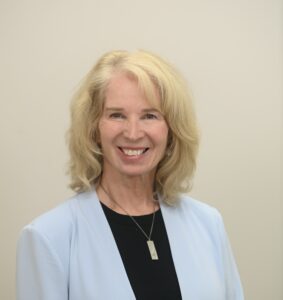
Dr. Luisa Galvis, Principal Investigator
But the research also discovered gaps. Patients and providers pointed to the need for better video and sound quality, consistent nursing support during virtual appointments, and on-site technical assistance to ensure smooth connections. Armed with this feedback, the research team worked with health system leaders to share recommendations and help guide future investments.
As a result of the evaluation, new telehealth equipment was purchased, additional nursing support was added for virtual visits, and technical support was strengthened. Remaining project funds are also being used to buy additional equipment identified by participants as being needed— ensuring the changes reflect what patients and care teams said they needed most.
By listening to both patients and providers, MSSU helped the health system make telehealth better, not just available. Today, rural cancer patients in NB are receiving care closer to home, with services that reflect what they said they needed most.