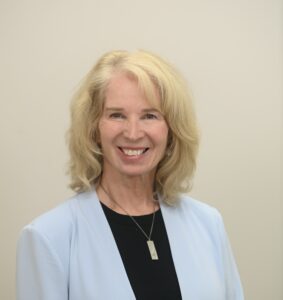
A new toolkit developed from research co-led by MSSU Scientist Dr. Marsha Campbell-Yeo and community partner Fabiana Bacchini (pictured), Executive Director of the Canadian Premature Babies Foundation, is helping parents and babies stay together in the NICU.
For Campbell-Yeo, involving families in the research from the beginning was key to creating something that could ultimately make a difference in practice.
“This work was only possible because we partnered with parents and people with lived experience at every stage, and that collaboration makes the research more relevant, more responsive to families’ needs, and far more likely to lead to meaningful change in practice,” said Campbell-Yeo, a professor at Dalhousie University.
The PRESENCE Study began during the COVID-19 pandemic, when restrictions in NICUs separated many parents from their hospitalized infants. Families, clinicians, researchers and decision makers from across Canada came together to examine the impact of those restrictions and develop 13 consensus recommendations to support parental presence in the NICU.
Those recommendations have now been turned into practical guidance through the PRESENCE Study Toolkit. Campbell-Yeo and Bacchini partnered with the Family-Centered Care Taskforce to help lead its development, working with 23 volunteer authors from Canada and the United States. Each chapter was co-developed by family and healthcare partners and includes information, questions and practical steps NICUs can use to assess and improve their practices.
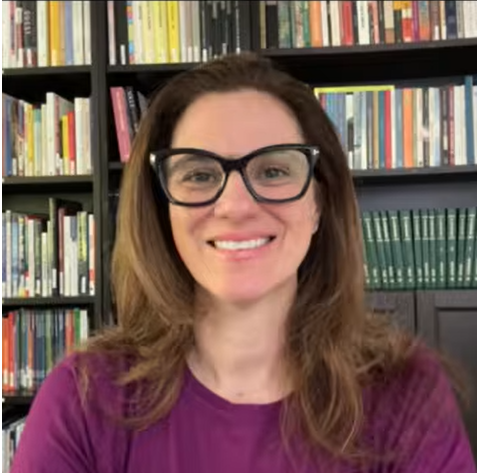
“Parents are not visitors in the NICU—they are essential partners in their baby’s care,” Campbell-Yeo said. “The PRESENCE recommendations and toolkit provide a practical roadmap for hospitals to create environments where families can be present, participate meaningfully, and help shape better outcomes for infants and their families.”
For Bacchini, the work demonstrates what can happen when different forms of knowledge are valued throughout the research process.
“I believe research is strongest when everyone involved has a voice—researchers, families, patients and community partners,” she said. “We all bring different knowledge and experiences, and when those come together, the research becomes more meaningful and has a much better chance of making a difference in practice,” said Bacchini.
MSSU provided research methods support as a member of the PRESENCE Study team.