Research team co-designs mailout on sedative deprescribing
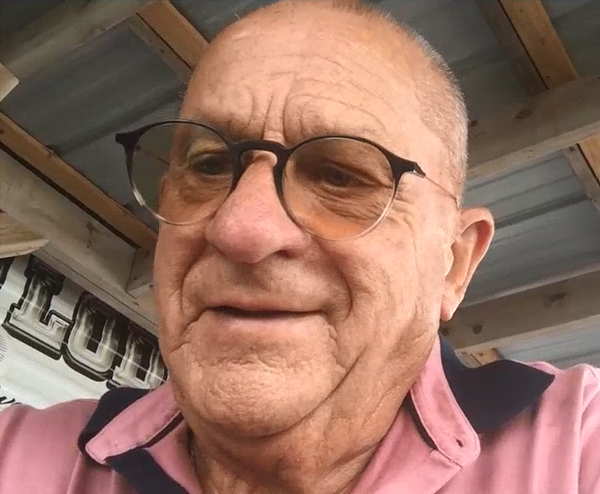
Thirty-five years ago, Georges Marcoux walked into his doctor’s office because he couldn’t sleep.
A few minutes later, he walked out with a prescription.
No one asked why he wasn’t sleeping. No one talked about alternatives. No one explained what could happen if he continued taking sleeping medication for years.
For decades, Marcoux never questioned it. And he wasn’t alone.
Nearly one in four older adults in New Brunswick use sedative-hypnotic medications to help them sleep.
While sleeping pills can be helpful in the short term, long-term use comes with increased risks for older adults, such as falls and memory issues.
A wake-up call
One experience stands out for Marcoux. While driving his 40-foot motorhome home from Florida, Marcoux noticed his vision was affected. He had taken a sleeping pill late the night before but didn’t connect the two at the time.
Years later, after learning more about the effects of sleeping medication, he realized the medication may have played a role.
“The older community has to know what kind of medication they’re taking and what the effects of that medication are,” said Marcoux.
Today, at 81, Marcoux no longer takes sleeping medication. He says he sleeps better than he has in years.
Now he wants to help others avoid the experience he went through.
Putting experience to work
Marcoux joined a research team studying sedative deprescribing in New Brunswick. Supported by MSSU Saint John site and funded by ResearchNB, the project is led by Dr. Carole Goodine and aims to co-design a bilingual education mailout for older adults about long-term sedative use.
“When you’ve lived it, you notice things researchers can’t,” Marcoux said. “Being part of the team meant our experiences helped shape something that will hopefully help other older adults have better conversations with their healthcare providers.”
Georges Marcoux
The partnership challenged key assumptions about how to communicate with older adults, leading to changes in the mailout’s messaging, imagery and content that researchers say made it more relevant and useful.
Participants said they wanted clear statistics about sleeping pills to help them understand the risks and make informed decisions — despite previous research suggesting risk-focused messaging should be avoided. They recommended images that reflect the reality of poor sleep rather than only showing healthy, well-rested older adults. They also wanted the mailout to clearly identify a trusted health-care source, recognizing that older adults may be cautious about unsolicited health information because of scams.
“Our study protocol was built around the principle that people with lived experience are experts in their own experiences,” said Goodine. “By involving older adults throughout the design process, we aimed to create a mailout that is relevant, understandable, acceptable and engaging, while avoiding messages that could feel judgmental, overwhelming or dismissive.”
A model for future research
Looking ahead, Goodine hopes the project serves as a model for future research — demonstrating the value of involving people with lived and living experience from the beginning and ensuring researchers have the time and resources to do that meaningfully.
For Marcoux, he just wants other older adults to ask the questions he didn’t know to ask 35 years ago.